
Understanding Home Construction Timelines
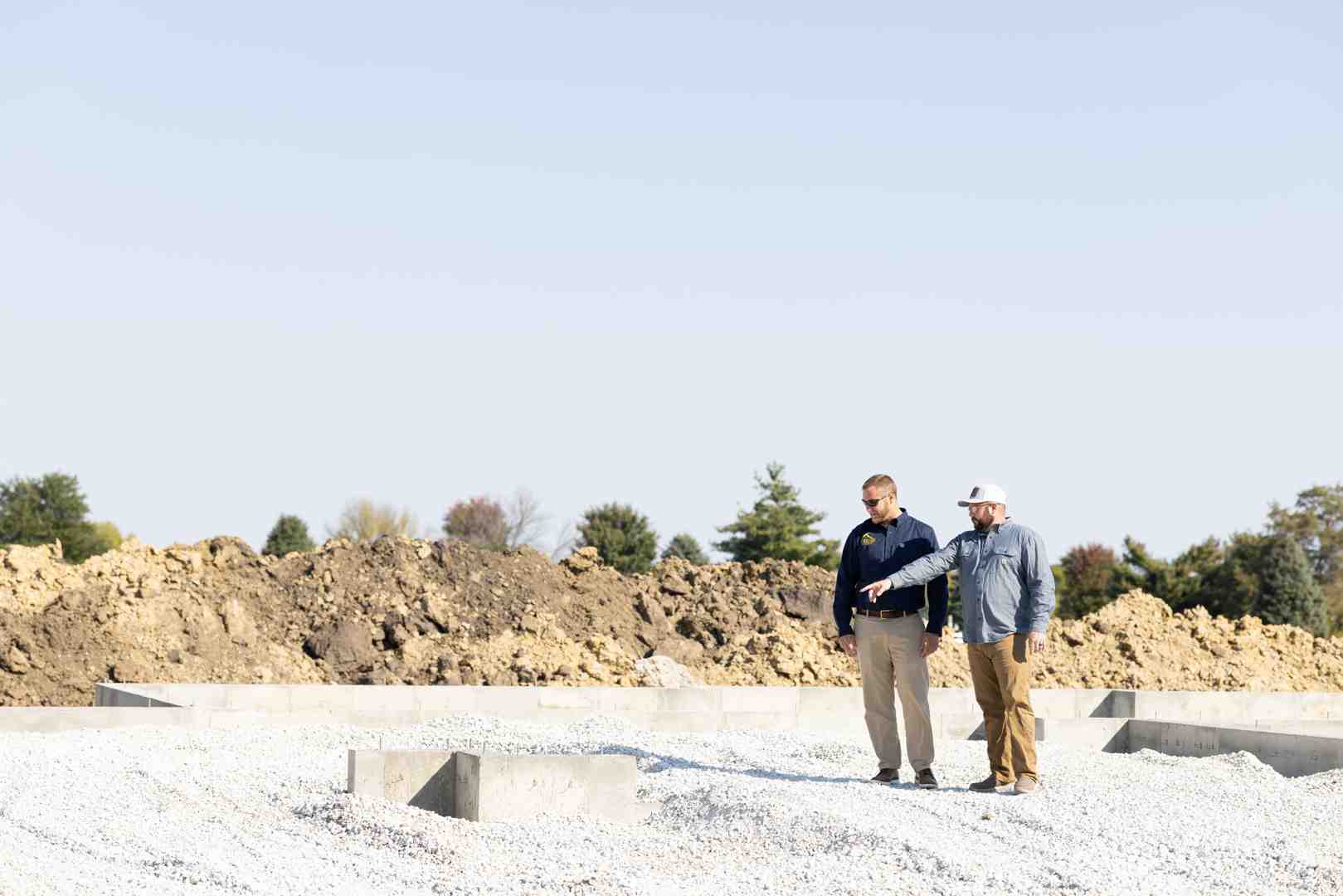
Home construction timelines for a custom build typically range from 10 to 16 months for the construction phase alone, according to the National Association of Home Builders (NAHB). When you account for the necessary pre-construction steps like site selection, architectural drafting, and permitting, the total journey often spans 12 to 18 months.
Unlike standardized production builds, custom projects and major renovations follow a more detailed process that requires additional planning, coordination, and craftsmanship. A custom home is a unique creation. We believe that enduring quality and an enhanced lifestyle are worth the additional time required for meticulous craftsmanship. For a closer look at the custom home building process, explore our step-by-step approach to planning, permitting, and construction.
Defining the Custom Build Schedule
Home renovation construction timelines usually follow two major phases: pre-construction planning and active construction. Nationally, the U.S. Census Bureau’s Survey of Construction suggests the average single-family home takes about 7 to 8 months to build once the permit is issued. However, for a fully custom project, that timeline is often longer due to the complexity of the design and the high-end finishes involved.
The planning phase is the most critical part of the schedule. This is when we work with a team of expert designers and trusted partners to finalize your vision. Depending on the complexity of the home, this phase can last anywhere from 2 to 6 months. Permitting windows in West Central Illinois vary by county but generally take 2 to 6 weeks, though more regulated areas or those requiring specific environmental clearances can take longer.
Managing Expectations for Home Construction Timelines
We take a quality-first approach to home renovation construction timelines, which means we never sacrifice structural integrity or finish quality to chase a shorter schedule. To manage expectations effectively, we recommend that homeowners build a 15% to 20% “buffer” or contingency into their move-in plans.
This buffer accounts for uncontrollable variables such as local inspection backlogs or unseasonable weather. By planning for a 14-month build but preparing for 16 months, you ensure a stress-free transition into your new home. Our goal is to provide long-term value and a home that stands the test of time, rather than rushing through the final, most visible stages of the project.
The Essential Phases of a Custom Build
Most home renovation construction timelines and custom build schedules follow a logical sequence, with each stage depending on the completion of the one before it. Understanding these milestones helps you track progress and stay engaged with the project. To see how these steps look in practice, learn about our construction stages or see a Step-by-Step Timeline for Building Your New Home.

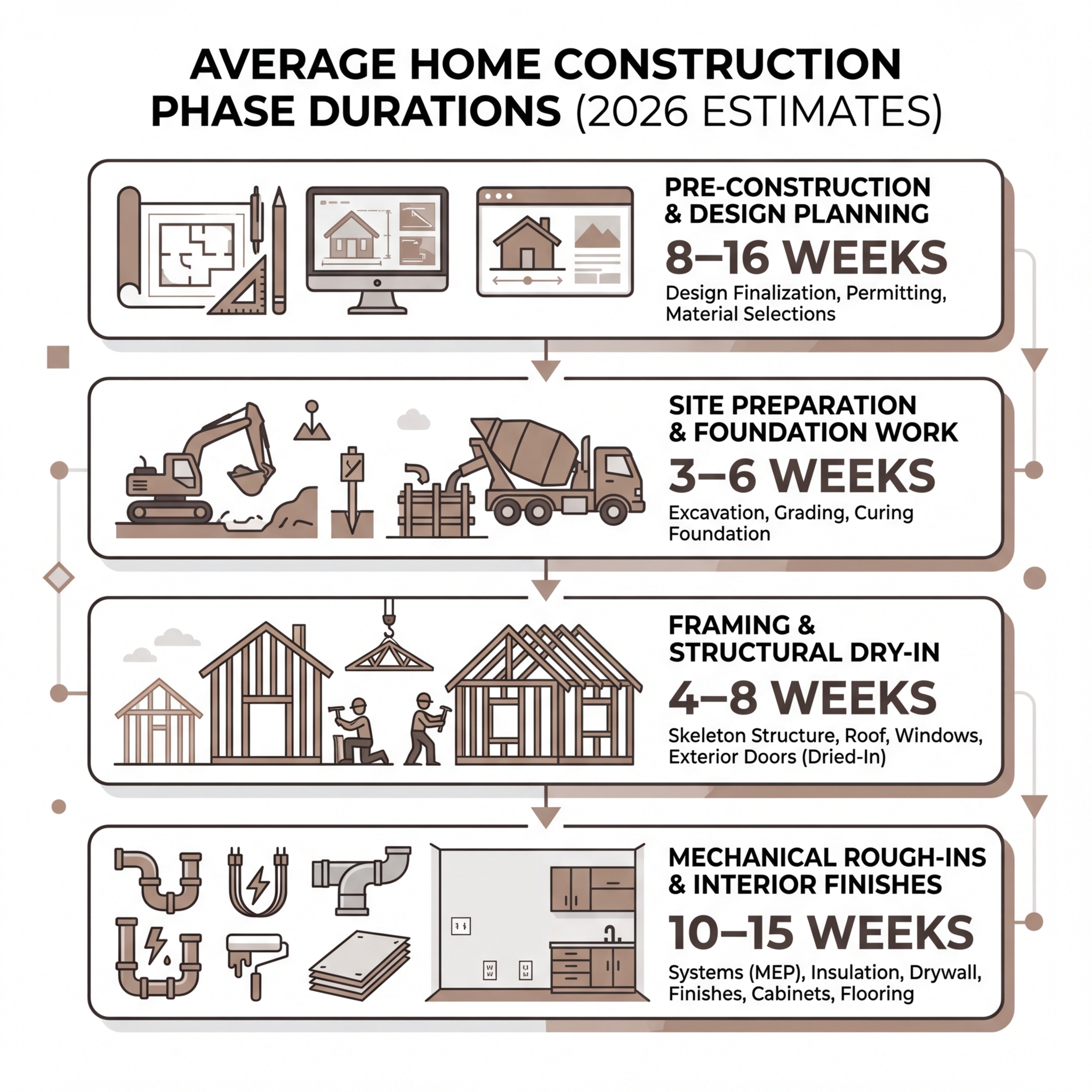
Pre-Construction and Design Planning
Duration: 8–16 weeks Before a single shovel hits the dirt, a massive amount of coordination occurs. This phase involves finalizing the floor plan and making selections for everything from roof shingles to flooring. We collaborate with a team of expert designers and trusted partners to ensure the home is both beautiful and functional.
Site Preparation and Foundation Work
Duration: 3–6 weeks Once the permits are in hand, we begin site preparation. This involves clearing trees, grading the land for proper drainage, and excavating for the foundation. In West Central Illinois, soil conditions—such as high clay content—can sometimes require additional engineering or soil compaction to ensure a stable base.
After excavation, we pour the footings and the foundation walls. It is vital to allow the concrete to cure properly before placing the weight of the house on it. Rushing this stage can lead to structural issues years down the line, so we prioritize patience here to ensure enduring quality.
Framing and Structural Dry-In
Duration: 4–8 weeks This is the most exciting phase for many homeowners because the home finally starts to take shape vertically. Our in-house construction team handles the framing, which acts as the skeleton of your home. We use dedicated craftsmanship to ensure every stud is straight and every joint is secure.
The goal of this phase is “dry-in”—getting the roof decking, shingles, windows, and exterior doors installed. Once the home is dried in, the interior is protected from the elements, allowing work to continue regardless of the weather outside.
Mechanical Rough-Ins and Interior Finishes
Duration: 10–15 weeks Once the structure is dried in, our trusted subcontractors begin the essential interior systems, including HVAC, plumbing, and electrical rough-ins. These systems must be inspected by local authorities before we can “close up” the walls with insulation and drywall.
Following the rough-ins, the interior finishes begin. This is often the longest phase because it involves highly detailed work, including cabinetry, trim, painting, and flooring. To see the level of detail we bring to these stages, you can view our portfolio.
Variables That Impact Your Project Schedule
No two custom homes are exactly alike, and therefore, no two home construction timelines are identical. Several factors can either accelerate or extend your move-in date. For a broader look at these variables, see How Long to Build a House: Average Timelines Explained or check out our step-by-step guide to building your dream home.
Factors Influencing Home Construction Timelines
- Design Complexity: A simple ranch-style home will always build faster than a three-story estate with intricate rooflines and custom masonry.
- Custom Selections: High-end finishes, such as imported stone or custom-built vanities, often have long lead times. If these items aren’t ordered early, they can stall the entire project.
- Material Availability: Global supply chain shifts can impact the availability of specific items like windows or specialized HVAC components.
- Inspection Schedules: We rely on municipal inspectors to clear our work at various stages (foundation, framing, rough-ins, and final). If an inspector’s schedule is backed up, it can add days or weeks to the timeline.
Regional Weather and Illinois Seasons
In West Central Illinois, weather is a significant factor. Midwest winters can bring frozen ground that makes pouring concrete impossible, while spring rains can turn a site into a mud pit, delaying heavy machinery.
We reduce weather-related delays through seasonal planning, early scheduling, and careful coordination around foundation work and dry-in milestones. We aim to have our foundations poured and the home “dried in” before the harshest winter months. This allows our in-house construction team to work on the interior in a heated environment while the snow falls outside.
Professional Strategies for Staying on Schedule
While some delays are unavoidable, many can be prevented through proactive management. We focus on a seamless process that respects your time without compromising on our standards of craftsmanship. What to consider before building is a great resource for those in the early planning stages.
Front-Loading Design Decisions
The single most effective way to keep your project on schedule is to make all your design decisions before construction begins. We work with you to finalize every selection—from the kitchen faucet to the bedroom trim—during the pre-construction phase.
Front-loading these decisions helps keep home renovation construction timelines on track by reducing mid-project changes and avoiding delays tied to long-lead materials. This prevents “decision fatigue” mid-project and eliminates the need for change orders, which are the most common cause of self-inflicted construction delays.
Expert Project Management
Our team provides dedicated oversight for every project. We protect the “critical path”—the sequence of tasks that must be completed on time to keep the overall project moving.
We maintain strong relationships with our trusted partners and subcontractors, ensuring they are scheduled exactly when they are needed. Through weekly updates and clear communication, we keep you informed of progress and any adjustments to the timeline, ensuring a partnership built on transparency.
Frequently Asked Questions about Home Building Schedules
How long does it typically take to build a custom home from start to finish?
From the very first consultation to the moment you receive your keys, you should expect the process to take 12 to 18 months. This includes roughly 3 to 6 months of planning and permitting, followed by 10 to 14 months of active construction. Larger or more complex luxury estates may extend toward the 24-month mark.
What are the most common causes of construction delays?
The most frequent delays are caused by late design changes (change orders), unseasonable weather (heavy rain or extreme cold), and material shortages for custom items. Additionally, waiting for municipal inspections can sometimes add unexpected time to the schedule.
How does the size and complexity of a home influence the total build time?
Size is a factor, but complexity is often the bigger driver of the timeline. A 4,000-square-foot home with standard finishes may actually be completed faster than a 2,500-square-foot home with intricate custom millwork, specialized smart-home integration, and unique architectural features that require more specialized labor.
Conclusion
At Yingling Builders, we understand that your home is more than just a structure—it is the backdrop for your life’s most important moments. Seth Yingling, Stephanie Yingling, and Wyatt Yingling are committed to a client partnership that prioritizes your vision and lifestyle.
By combining dedicated craftsmanship with a seamless, well-managed process, we help clients move through home renovation construction timelines with greater clarity, confidence, and long-term peace of mind. Whether you are looking for a custom-built home or high-end renovations in West Central Illinois, we are here to deliver enduring quality.
Ready to plan your project with clarity and confidence? Contact Yingling Builders to discuss your timeline with a trusted partner known for exceptional craftsmanship, thoughtful coordination, and a high-end building experience across West Central Illinois.
0 Comments