
Why Historic Homes Deserve More Than a DIY Approach
Historic home renovation is the art of updating older properties while preserving their architectural character. Owning a historic home makes you a steward of architectural heritage, responsible for elements like Victorian crown molding, wavy glass windows, and hand-carved woodwork that tell a story spanning generations.
However, these renovations are more complex than standard remodels, involving unique challenges like outdated systems, structural surprises, and strict preservation guidelines. A successful project hinges on understanding what to preserve, what to update, and how to steer the regulatory landscape. With proper planning and the right partner, you can honor your home’s past while creating a space that works for modern living.
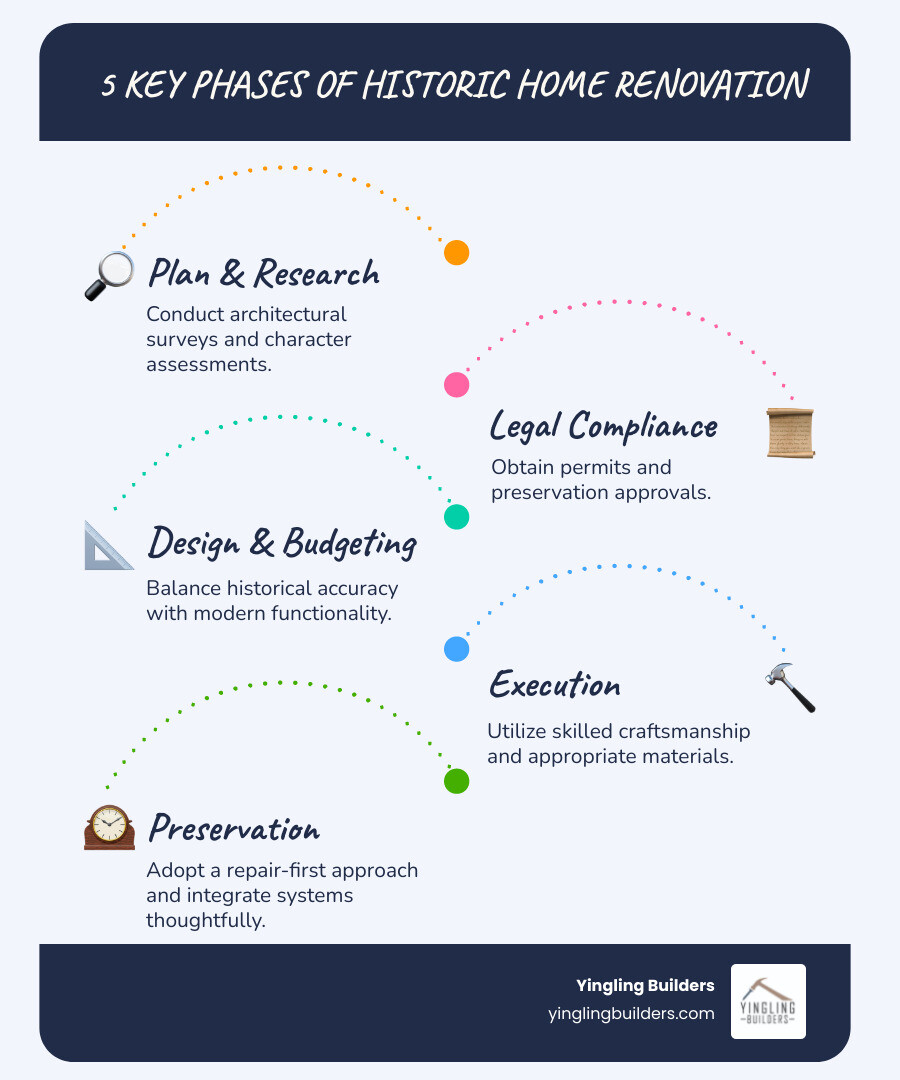
Key Phases of Historic Home Renovation:
- Planning & Research: Document your home’s history and identify its character-defining features.
- Legal Compliance: Steer local ordinances and obtain proper permits, often requiring approval from historic preservation commissions.
- Design & Budgeting: Balance restoration goals with modern needs.
- Execution: Work with experienced professionals who understand preservation techniques.
- Preservation: Prioritize repairing original features and thoughtfully integrating modern systems.
Historic home renovation terms to learn:
First Steps: Planning Your Legacy Project
A historic home renovation in West Central Illinois is a legacy project, honoring past craftsmanship while creating a home for future generations. The first step is thorough planning and research to understand your home’s story and its character-defining features—the elements that make it unique. Researching your home’s history through local archives and preservation resources helps form the foundation for every renovation decision.
Restoration vs. Remodeling: Defining Your Vision
A key decision is choosing between restoration (returning a property to a specific period with historical accuracy) and remodeling/rehabilitation (adapting it for modern living while preserving key features). Restoration prioritizes authenticity, such as replicating lost 1880s eave brackets using original techniques. Rehabilitation focuses on functionality, allowing for an updated kitchen and efficient HVAC systems, while perhaps replacing those same brackets with durable, modern materials that match the original design.
The right approach depends on your project scope, lifestyle needs, and personal vision. Our goal is to deliver enduring quality and an improved lifestyle, ensuring you love living in your home. To see how we approach these projects, explore our process for rebuilding and renovating.
Understanding and Registering Your Historic Property
Not every old house is officially historic. To qualify for the National Register of Historic Places, a property must generally be at least 50 years old, retain its architectural integrity, and hold historical significance. If your property qualifies, registration can provide access to grants and tax credits.
The nomination process begins at the Illinois State Historic Preservation Office and involves multiple review stages. Beyond federal recognition, many West Central Illinois communities have local designations and preservation ordinances that dictate exterior changes and materials. We guide you through these complexities, ensuring your project aligns with all requirements, whether you’re pursuing official registration or simply honoring your home’s heritage.
Navigating the Complexities of a Historic Home Renovation
A historic home renovation is rewarding but often unpredictable. It’s common to uncover challenges like unique original framing, hidden water damage, or outdated foundations. We approach these surprises not as setbacks, but as opportunities to restore your home’s enduring quality.
Sourcing authentic materials—from specific crown molding to hand-pressed tiles—can be a challenge. We leverage our relationships with specialized suppliers and craftspeople to find or replicate materials that honor the original artistry. These complexities influence project timelines, which is why partnering with an experienced team is crucial.
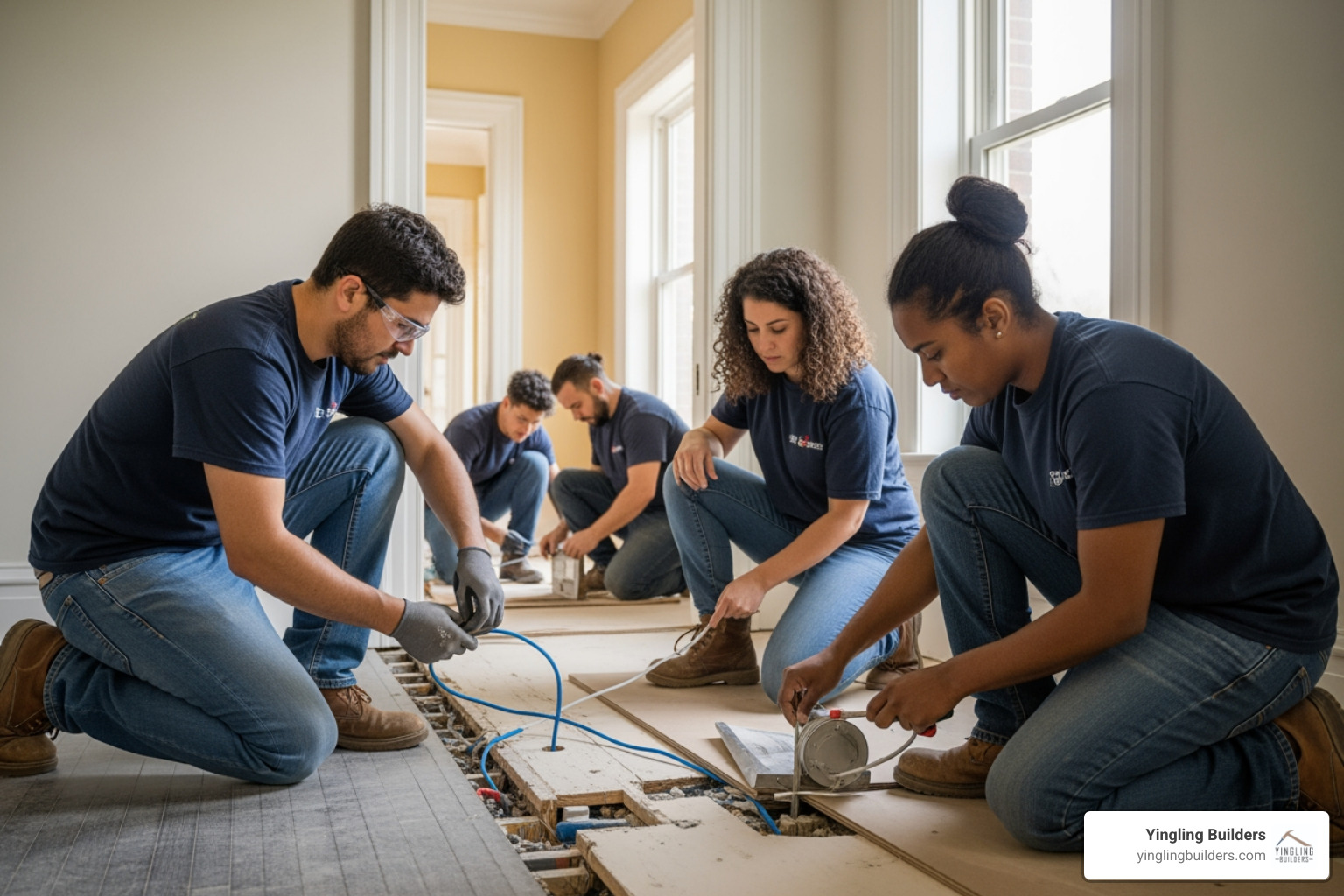
We invite you to see our portfolio of custom construction projects to witness how we steer these intricacies with respect for architectural heritage.
Legal and Regulatory Guidelines
Historic properties operate under a different set of rules. Local ordinances and historic preservation commissions review proposed changes to ensure the property’s character is maintained. This design review process requires detailed plans and documentation.
Building permits for historic homes also follow a more detailed path, requiring a balance between respecting historic character and meeting modern safety codes. We ensure strict compliance with these standards and all local regulations in West Central Illinois, guaranteeing your project proceeds smoothly.
Estimating the Investment for Your Historic Home Renovation
The true investment for a historic property is nuanced. Key factors include:
- Scope of Work: A thoughtful rehabilitation has a different cost than a meticulous, period-specific restoration.
- Materials: Sourcing authentic or custom-replicated materials impacts the budget.
- Structural Condition: Addressing hidden issues like foundation settling or outdated framing is essential for long-term stability.
- Mechanical Systems: Upgrading HVAC, plumbing, and electrical systems to modern standards is a critical component.
- Craftsmanship: Specialized skills required by preservation guidelines contribute to the overall investment and character.
We provide transparent budgets that clarify not just the costs, but the value behind them, focusing on enhancing your home’s future value and your lifestyle.
Financial Resources and Incentives
Various financial resources can help offset the cost of preserving a historic property.
- Grants: Federal programs like the Historic Preservation Fund, Save America’s Treasures Grant, and the Semiquincentennial Grant Program offer support. For rural properties, USDA Housing Preservation Grants may be available.
- Tax Credits: The Federal Historic Rehabilitation Tax Credit provides a 20% income tax credit for rehabilitating certified historic structures.
- Specialized Loans: The HUD 203(k) Rehabilitation Loan and Fannie Mae HomeStyle Loan are designed for renovation projects. For rural homeowners, the USDA’s Single-Family Housing Repair Loans & Grants—also known as the Section 504 or Rural Housing Repair Loan program—can provide assistance.
We help you steer these incentives to ensure you take full advantage of available support as you invest in preserving your piece of architectural history.
Best Practices for Preserving Historic Character
Preserving historic character means balancing the past with modern life. It’s not about creating a museum, but about protecting the special elements of your home while making it functional for your family. Every decision, from cleaning old brick to repairing a window, requires careful consideration of preservation techniques and material integrity. The goal is to integrate modern elements so they improve, rather than compete with, the home’s original charm.
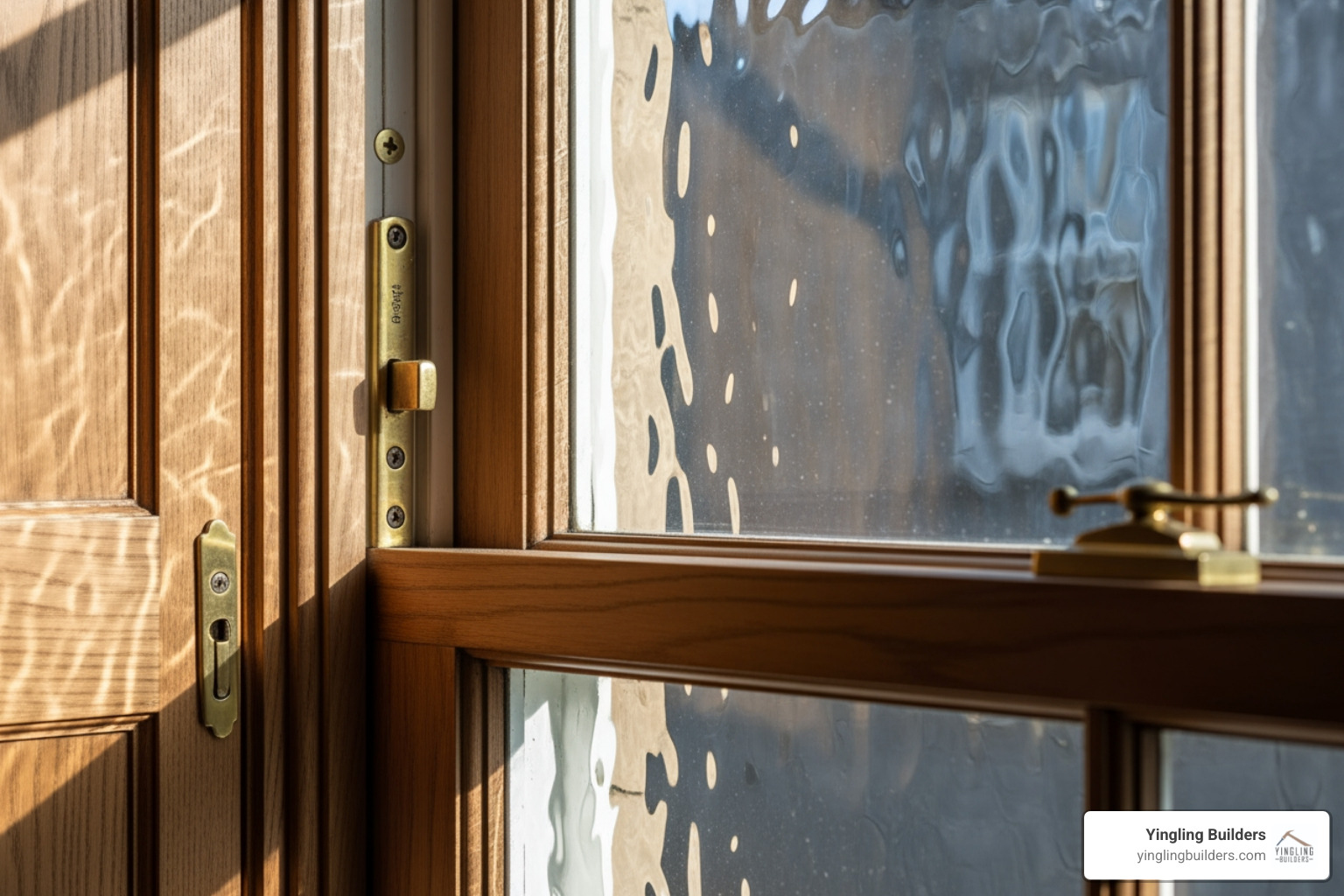
Expert consultation is invaluable for identifying the unique aesthetic and structural qualities that give your property its character.
The Essential ‘Do’s’ of a Historic Home Renovation
- DO research your home’s history. Understanding its architectural style and past modifications informs every decision.
- DO work with experienced professionals. Builders specializing in historic properties understand the unique challenges and best practices required for preservation.
- DO repair before you replace. Whenever possible, original features like window sills or plaster walls should be repaired. If replacement is necessary, the new feature must match the old in design, material, and texture.
- DO preserve character-defining features. Original trim, fireplaces, and built-ins give your home its distinct personality and should be protected.
- DO upgrade systems for safety and efficiency. Modern electrical, plumbing, and HVAC systems can be integrated without compromising the historic structure.
- DO document the process. Keep detailed records and photographs. This documentation is valuable for future owners and for any tax credit or grant applications.
The Critical “Don’ts” to Avoid
- DON’T use harsh cleaning methods. Sandblasting or aggressive chemicals can cause irreparable damage to historic materials. Always start with the gentlest method possible.
- DON’T discard original materials. Many components that seem damaged can be repaired. Original windows and old-growth lumber are often more durable than modern replacements.
- DON’T create a false sense of history. Avoid adding features from different architectural periods. Changes should respect your home’s authentic story.
- DON’T neglect the landscape and site. The grounds are often integral to the historical context. Consider how landscaping can complement your home’s era and preserve features like stone walls or mature trees.
- DON’T assume modern materials are always superior. Many original elements were built with superior craftsmanship and have proven their durability over centuries. Repairing them often yields a more authentic and lasting result.
Frequently Asked Questions about Historic Renovations
What are the most common challenges in a historic home renovation?
The most common challenges in a historic home renovation involve the unknown. These often include:
- Unexpected Structural Issues: Finding deteriorated timbers, foundation problems, or other deficiencies behind walls.
- Hazardous Materials: Many older homes contain lead-based paint or asbestos, which require specialized, safe removal.
- Sourcing Authentic Materials: Finding or replicating period-specific hardware, molding, or tiles requires specialized suppliers and artisans.
- Navigating Preservation Guidelines: If your home is in a historic district, strict regulations govern acceptable changes. We are familiar with these requirements in West Central Illinois and manage the approval process.
- Integrating Modern Amenities: Seamlessly weaving modern electrical, plumbing, and HVAC systems into the historic fabric of the home is a delicate art.
How can I make my historic home more energy-efficient?
You can improve energy efficiency without sacrificing historic character. Key strategies include:
- Repairing and weatherizing original windows. Proper repair and weatherstripping can make beautiful old windows highly efficient.
- Adding storm windows. High-quality interior or exterior storm windows provide an extra layer of insulation.
- Insulating attics and crawl spaces using methods appropriate for older construction to avoid trapping moisture.
- Upgrading to high-efficiency HVAC systems, which can be discreetly integrated to provide modern comfort.
- Sealing air leaks around doors, windows, and foundations for a simple but effective improvement.
Our commitment to quality construction and building practices includes energy-efficient solutions that respect your home’s heritage.
How do I find a qualified builder for my historic home?
Choosing the right partner is the most critical decision for your historic home renovation. Not every builder has the necessary expertise, and the wrong choice can lead to irreversible damage.
- Look for a proven portfolio of historic projects. Experience in this specialized field is paramount. We invite you to see our portfolio of custom construction projects.
- Speak with past clients. References can speak to a builder’s quality, communication, and problem-solving skills.
- Ensure they understand local preservation laws. Your builder must be familiar with West Central Illinois’s historic preservation commissions and ordinances.
- Confirm they work with specialized craftspeople. Access to artisans for plaster repair, custom millwork, or glass restoration is essential.
- Prioritize a partner who values collaboration. Look for a team committed to your vision, open communication, and delivering enduring quality.
Partnering for a Seamless Historic Renovation
Your historic home renovation is about stewarding architectural heritage while creating a home for modern life. At Yingling Builders, we have the expertise to steer the unique challenges of preserving West Central Illinois’s historic properties.
Our client partnership approach sets us apart. We listen to your vision and guide you through every decision, making the process seamless from the initial consultation to the final walkthrough. Our team brings dedicated craftsmanship to every detail, working with specialized artisans to ensure authenticity. We expertly integrate modern systems to improve functionality without compromising your home’s character, delivering both enduring quality and an improved lifestyle.
When you work with us, you gain a partner who respects your home’s past while building long-term value for your family’s future. Your historic home has a story worth preserving. Let’s write the next chapter together.
Contact us to discuss your historic home project and find how our partnership can transform your vision into reality.
0 Comments